Gudtolli Fresh Pasta Recipes
Introducing the extraordinary Gudtolli, a masterpiece of artisanal handmade Lebanese fresh pasta!
This exceptional product is crafted with utmost excellence, ensuring impeccable quality control using only the finest Lebanese ingredients.
Picture this: fresh eggs and flour combined with beetroots, carrots, pumpkin, basil, and a medley of aromatic herbs.
The result?
A tantalizingly tasty and incredibly nutritious delight!
Gudtolli offers a variety of options to satisfy every pasta lover's craving. Choose from
our three cuts: Longcuts, Shortcuts, and the delectable Stuffed Pasta.
Each bite is a journey to culinary bliss, transporting you to the heart of Lebanon's rich gastronomic
heritage.
But wait, there's more! Gudtolli has made its mark across the Lebanese territory, with numerous points of sale offering this culinary gem. You can easily find our exceptional pasta in various locations, ensuring that no one misses out on this extraordinary experience.
What sets Gudtolli apart is our commitment to collaboration. We regularly join forces with talented chefs, working hand in hand to create exclusive pasta recipes that will leave you craving more. And let's not forget about our heavenly ravioli fillings, carefully crafted to elevate your dining experience to new heights.
So, whether you're a passionate foodie or simply seeking a remarkable culinary adventure, Gudtolli is here to exceed your expectations. Indulge in the artistry of Lebanese fresh pasta and let your taste buds dance with joy.
Get ready to embark on a flavor-filled journey that will leave you spellbound.
Gudtolli, the ultimate destination where natural passion intertwines with flawless healthiness.
Fresh Pasta Utensils
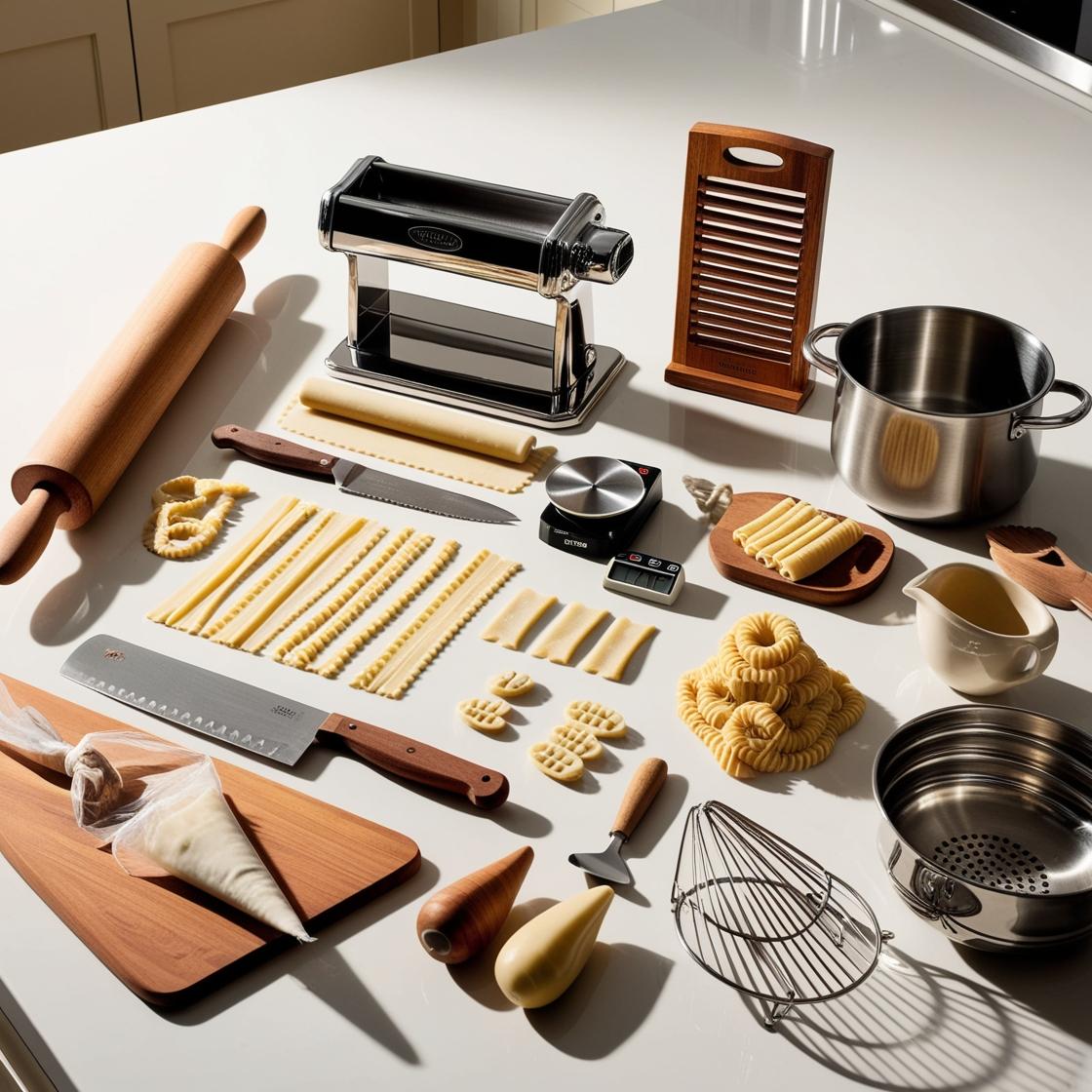
You will need a worktop, a rolling pin, a sharp knife, and lots of challenging work.
A food processor and a pasta roller will make life easier, particularly if you are making thin sheets for ravioli and other filled pasta.
Pasta wheel, wooden pastry board, gnocchi board, bench scrapper, pasta machine, Kitchen scale, Rolling pin, Ravioli tools, tray,
cutter.
A kitchen utensil that may have cutting wheels or cutting circles is used to cut pasta dough into strips, circles, squares, or other pasta shapes. Pasta cutting wheels typically are made with one, two or multiple straight and fluted-edged cutting wheels attached to a handle
Pipping bag, rolling cutters, plastic wrap, Drying Rack, stackable drying tray with net, spider strainer, Stockpot. It is important to rely on your own instincts when making simple dishes because apart from quality ingredients they also rely on proper cooking techniques and utensils.
Fresh Pasta Ingredients
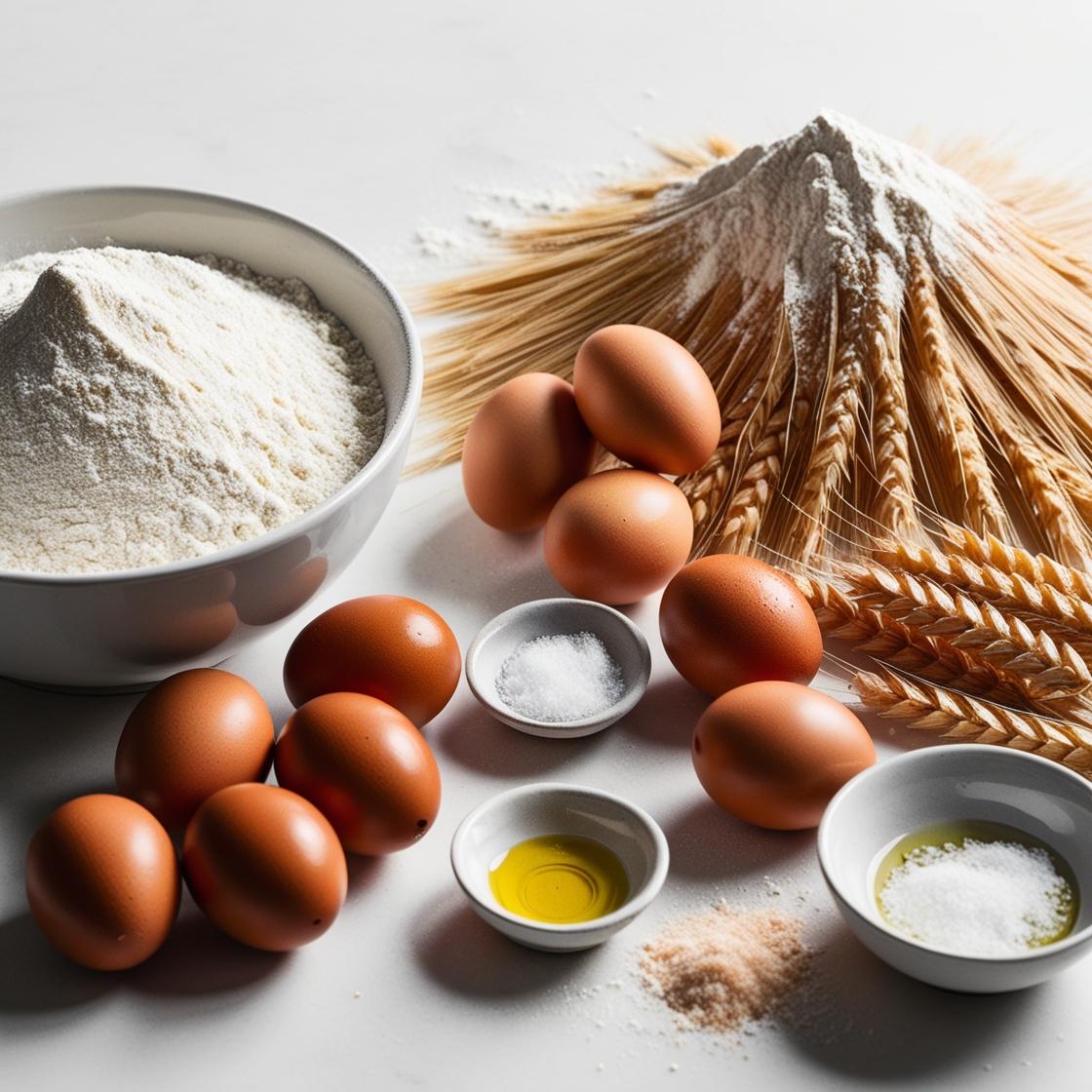
Typical Fresh pasta made with eggs and flour (durum) high in protein, we can add some water salt and extra virgin oil.
Flour Look for Italian ‘00’ (doppio zero) flour.
The number indicates that the flour has been finely milled, but brands vary.
Choose one specifically milled for pasta and check the protein content: it should be 10-12 per cent or more. When the flour is kneaded with moisture (from the eggs), the protein forms strands of gluten that give the pasta its
structure and strength.
Fresh Eggs As well as providing water for the gluten, eggs also give fat, which enriches the dough, giving it a smooth, silky finish. Most medium eggs weigh 55-65g and, as a rule, the whites are 90 % water and 10 % protein, while the yolks are 48 % water, 17 % protein, 33 % fat and 2% carbohydrate.
What does adding eggs to pasta do?
When the flour is kneaded with moisture (from the eggs), the protein forms strands of gluten that give the pasta its structure and strength. As well as providing water for the gluten, eggs also give fat, which enriches the dough, giving it a smooth, silky finish.
Tips concerning Fresh pasta
The perfect ratio
The ratio of white and yolk in your pasta will give different results. The more egg white, the more pliable the dough; the more yolk, the richer the pasta will be. There are endless variations, but for a dough that works every time use: 1 whole egg plus 2 yolks for every 150g of flour. Do not add salt: let the salted cooking water and sauce do the seasoning.
Mixing and kneading
Put the flour, egg and yolks in a food processor and mix using a blade attachment until a rough dough forms. Tip out onto a work surface and knead by hand for about five minutes. The finished dough should be smooth and regular with the texture of modelling clay – not too wet and not too dry. If in doubt, err on the sticky side – you can always dust the dough with flour, but you cannot add extra water.
Resting the dough
Wrap in cling film and chill for at least 4 hours before rolling. During this time, the water will be absorbed by the flour and the gluten strands will relax, giving a strong, pliable, roll-able dough. The higher the yolk content, the more it needs to rest. Pasta made only with yolks needs to rest for 6 hours.
Rolling the dough
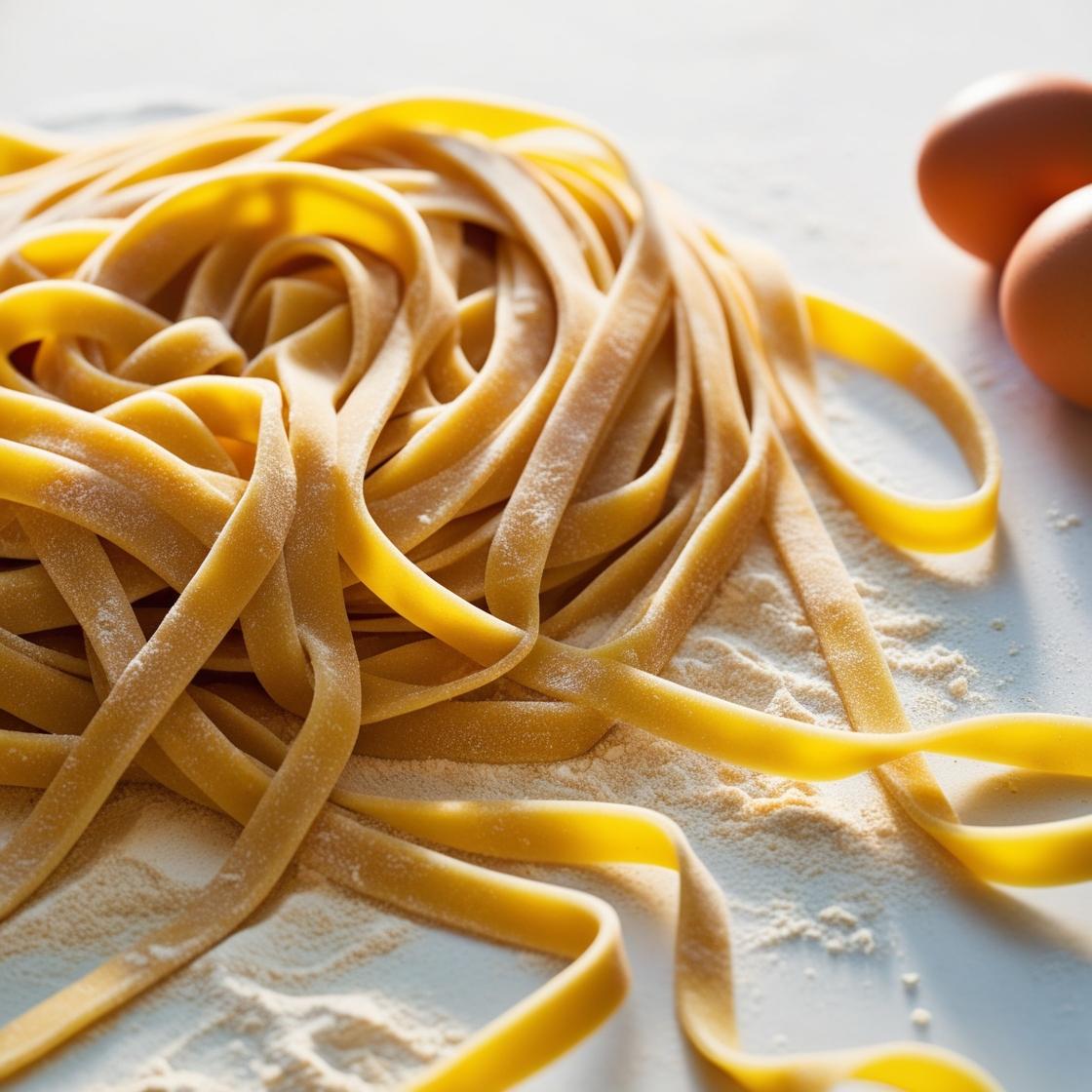
Flour the worktop and roll the pasta out as thin as you like using a rolling pin
When Cooking Fresh Pasta
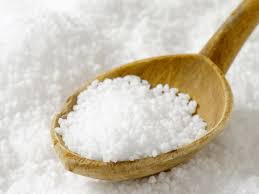
Salt your pasta water for every 1 pound -454g (about 1 lb)- 1.5 Tb, use kosher salt not iodized salt.
Always salt the water you boil your pasta in. No oil, just salt. Add salt when water boils to prevent pan corrosion.
Make sure that once it is done cooking, you do not drain the pasta into a colander. We want that salty, starchy water on call to bump up the seasoning and loosen the sauce as needed. Always cook your pasta al dente. Always
reserve some water the pasta was cooked in to add to the sauce later. The main reason is because hot pasta absorbs liquid very quickly and greedily.
And even though you made enough sauce to serve with your pasta, the minute you combine the two a portion of the sauce gets absorbed, and suddenly, you have dry pasta but what we want is saucy!
Here is when your reserved starchy water comes to the rescue and turns your pasta into something silky smooth and lovely
Sauces history and ingredients
Butter with Garlic sauce
The garlic butter seems to have originated in France.
Accurate records as to the inventor or the place of invention are not available. However, the garlic butter recipe was mentioned by the renowned French chef Antoine Beauvilliers in his book Le Cuisinier Royal in 1814.
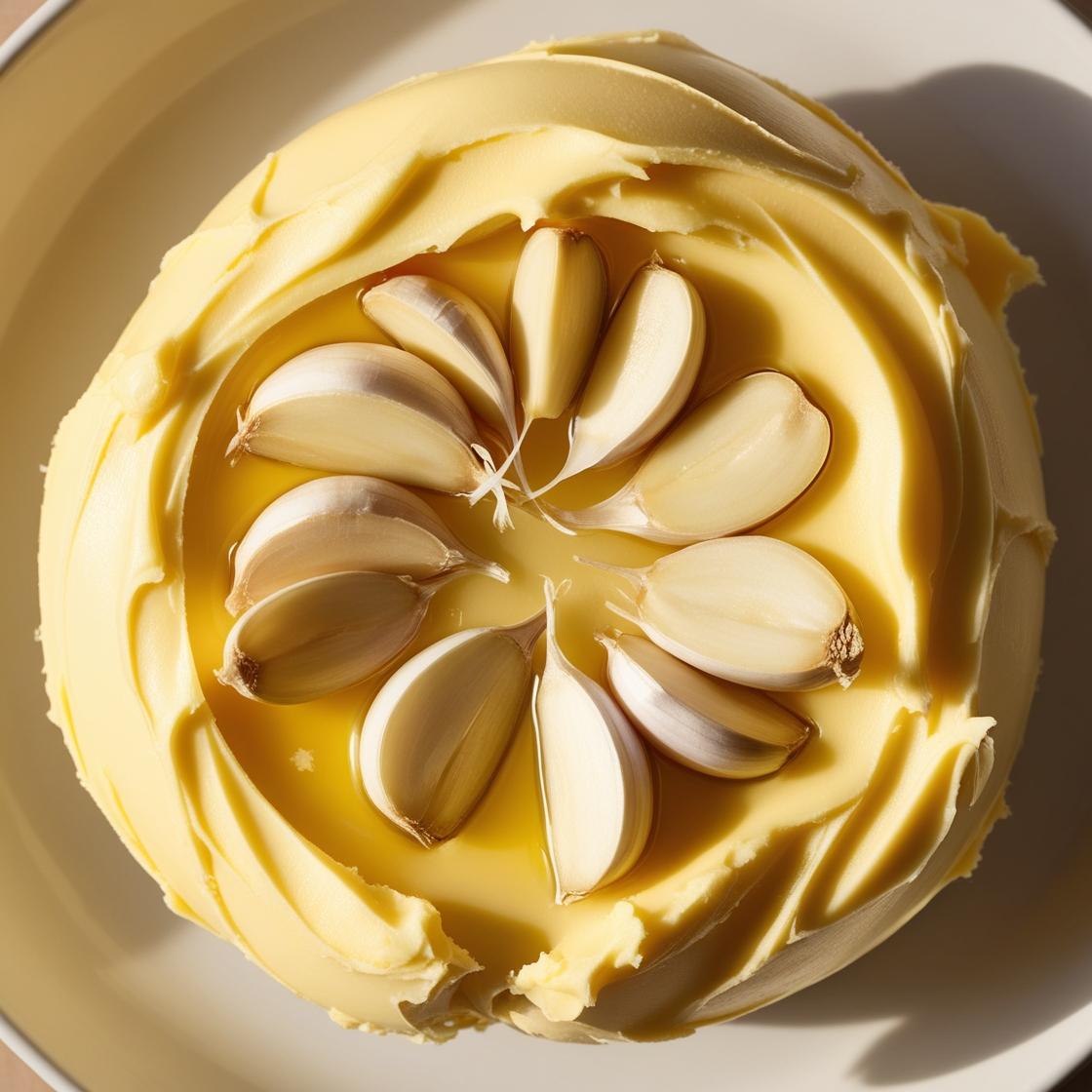
A lot of high fat butter with fresh garlic shopped very thinly
White creamy sauce- Alfredo
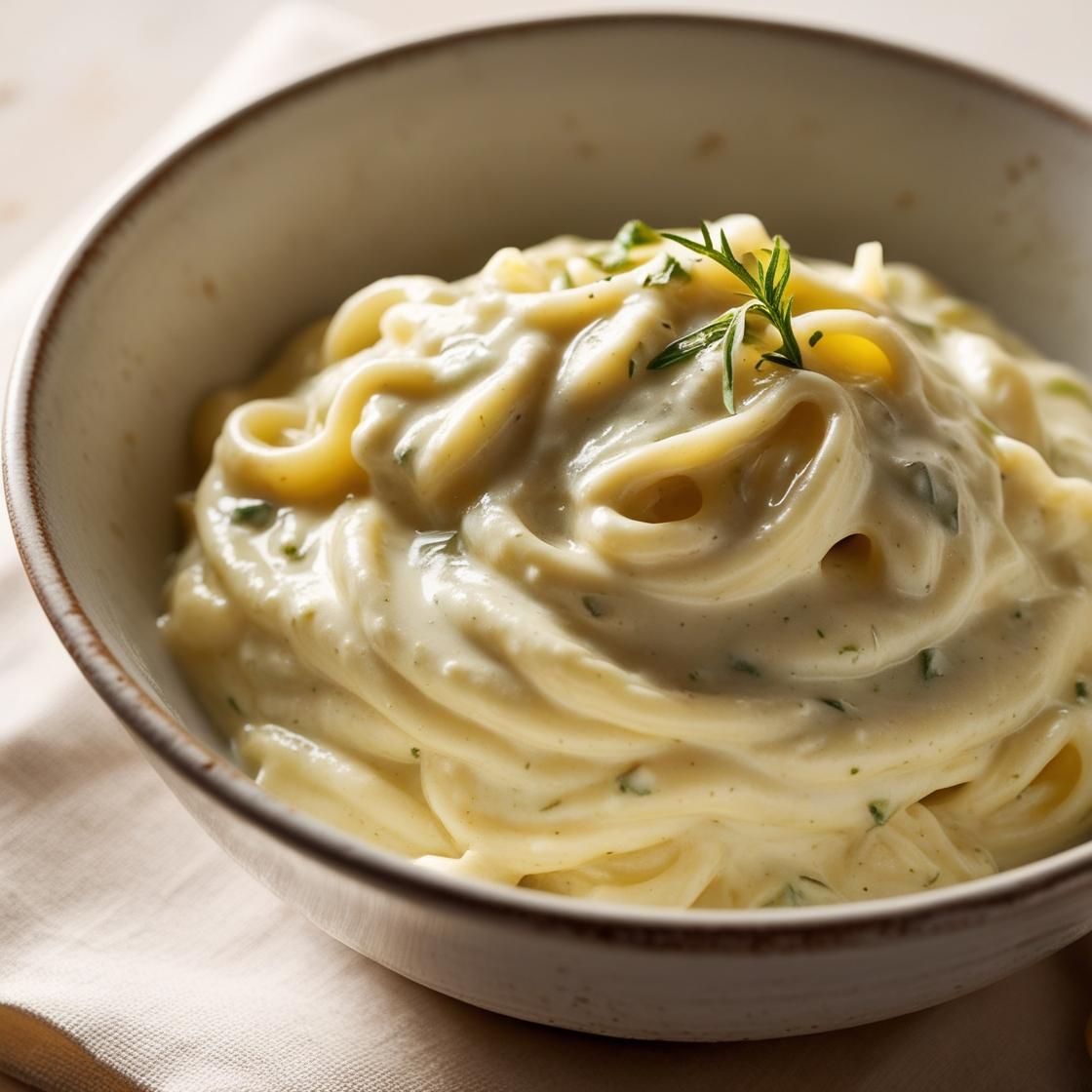
A man named Alfredo di Lelio invented it. Di Lelio produced this famous dish in Rome in 1908. Legend says that his wife had lost her appetite after giving birth, so he produced this simple but delicious pasta recipe.
Soon, it appeared on the family restaurant menu.
Half cup butter, 1.5 cup heavy cream, 2 teaspoons garlic minced, 0.5
teaspoon Italian seasoning, 0.5 Tsp salt
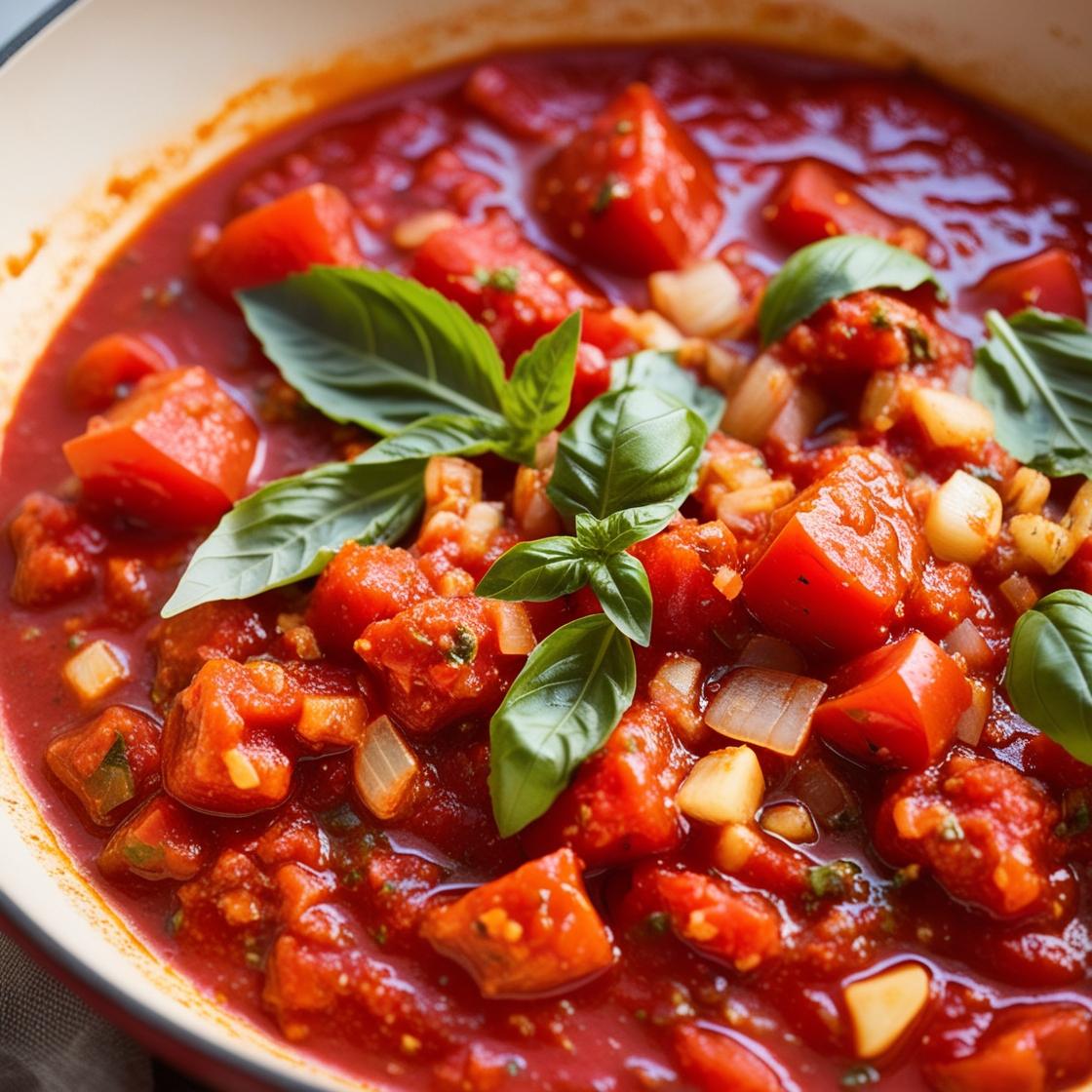
Marinara sauce
The exact location of Marinara Sauce's creation is lost to time, but it was first developed in the southern region of Italy, in either Naples or Sicily, after tomatoes first appeared in Europe via explorers from the New World in the 16th century.
Good San Marzano tomatoes puree, onion, garlic, dried oregano, or Italian seasoning, fresh basil, and olive oil.
Pesto sauce
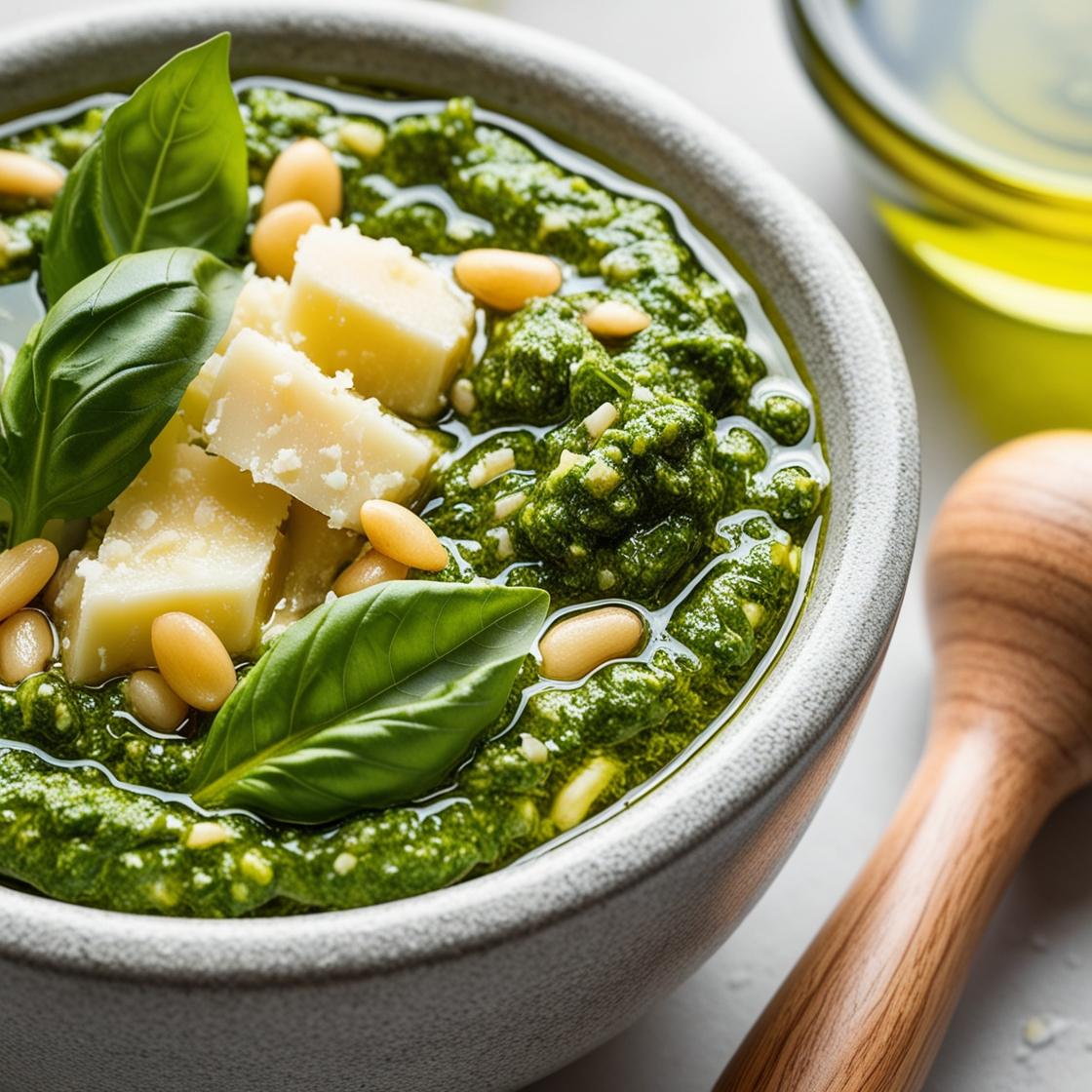
Pesto is a sauce originating in Genoa, which is in the northern region of Italy. It originated around the 16th century.
The first to mention the modern version of the pesto was Giovanni Battista Ratto it the right Cucina Genovese in 1870.
Traditionally consists of crushed garlic, basil and pine nuts blended with Parmesan cheese, some lemon juice, salt, and olive oil.
⅓ cup raw pine nuts, almonds, walnuts, pecans or pepitas, heat. 2 cups packed fresh basil leaves (about 3 ounces (about 85.05 g) or 2 large bunches), ¼ cup grated Parmesan cheese, 1 tablespoon lemon juice. 2 cloves garlic, chopped. ½ teaspoon fine sea salt. ½ cup extra-virgin olive oil.
Carbonara Sauce
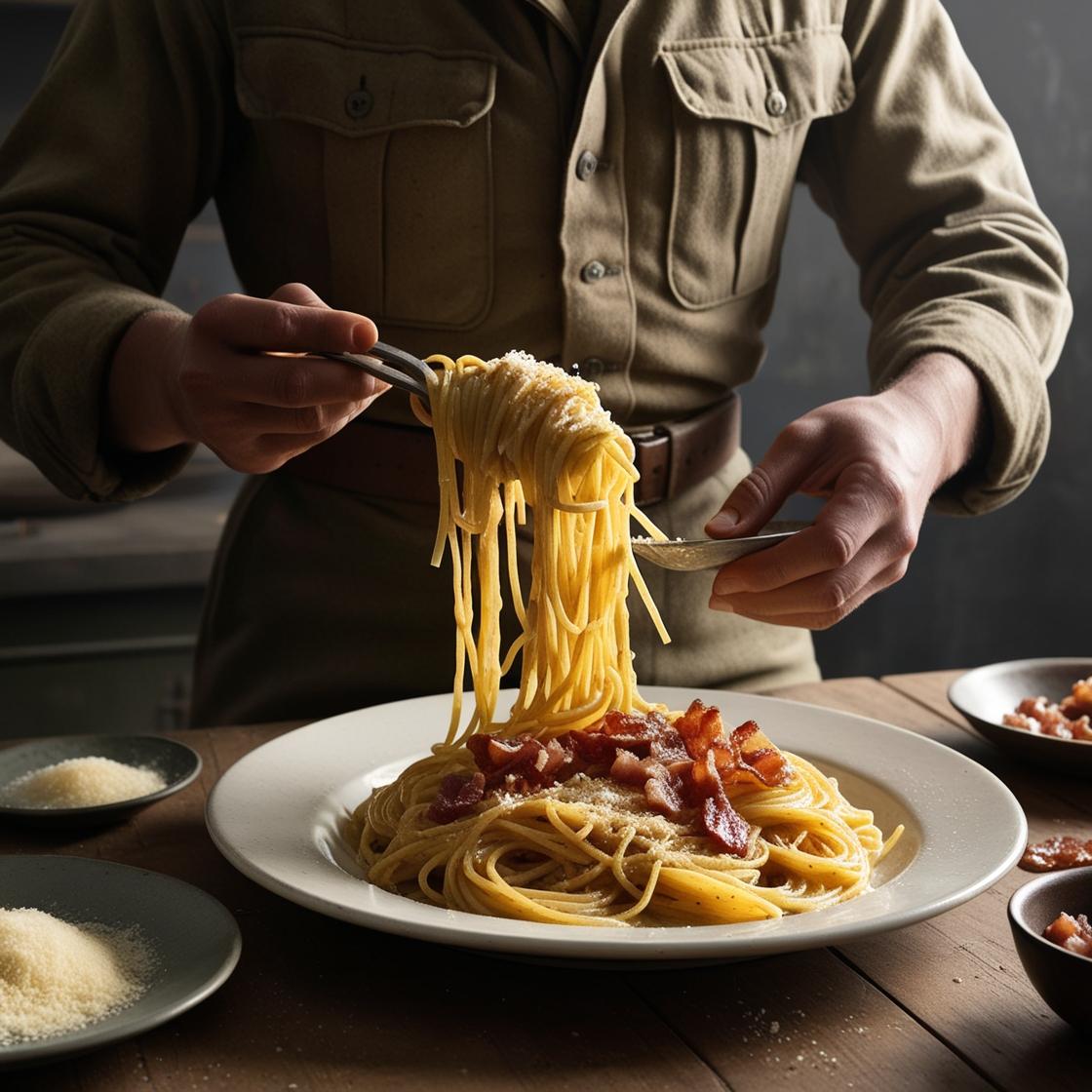
Back at the history, in the 1944 an American soldier sorted spaghetti, but it was so poor that he added at the pasta his ration K, the preparation for all soldiers. It was composed of powdered eggs, bacon and liquid cream. The result was perfect…
Carbonara was born like this, almost by accident!!
Ingredients, 2 tsp olive oil, 200g sliced pancetta (Bacon), roughly chopped, 3 garlic cloves, crushed, 2 egg yolks (at room temperature), 2 eggs (at room temperature), 1/2 cup thickened cream, 75g parmesan cheese, finely grated.
To make Carbonara sauce, heat olive oil in a large non-stick frying pan over medium heat.
Add pancetta and garlic and cook, stirring, for 5 minutes or until pancetta is crisp.
Drain on paper towel. Whisk together egg yolks, eggs, cream, and three-quarters of the parmesan cheese in a bowl. Season with salt and pepper. Add the egg mixture and pancetta mixture to the pasta and toss over low heat until well combined.
Serve with remaining parmesan cheese
Bolognese Sauce
Contrary to popular assumption, it has no definitive tie to the city of Bologna, in northern Italy. Historians generally agree that the dish originated in Imola, a city that sits just west of Bologna, and is home to the earliest documented ragù sauce, dating from the end of the 18th century.
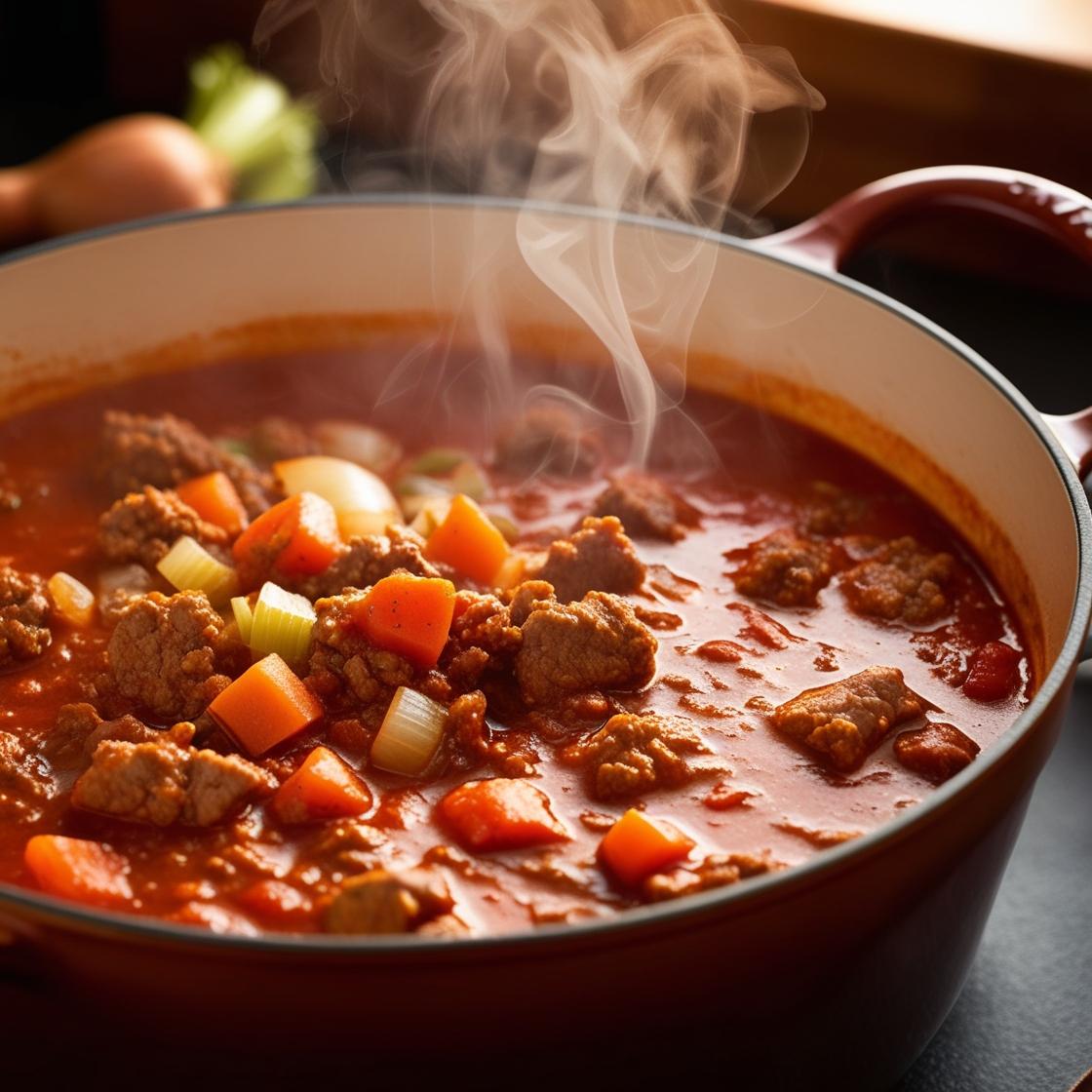
Bolognese sauce is a classic Italian sauce for pasta made with ground meat such as beef or pork. It's slow cooked with a sofrito of onions, carrots, celery, tomatoes, and milk to give it a creamy texture. Pronounced "Bow-Luh-Nez"
Ingredients: 1tablespoon vegetable oil, 3 tablespoons butter plus 1 tablespoon for tossing the pasta, ½cup chopped onion, ⅔cup chopped celery, ⅔cup chopped carrot, ¾pound ground beef chuck (or you can use 1 part pork to 2 parts beef), Salt, Black pepper, ground fresh from the mill, 1cup whole milk (or not), Whole nutmeg, 1cup dry white wine, 1½cups canned imported Italian plum tomatoes, cut up, with their juice, 1¼ to 1½pounds pasta, freshly grated Parmigiano-Reggiano cheese at the table.